Daily Water Requirement Calculation: How Much Water Should You Drink?
Zeynep Yılmaz · 25 Mayıs 2026
Water is the most fundamental building block of our body; yet how much we should drink each day often remains a guess. Daily water requirement calculation turns this guess into a concrete goal by determining the amount of water you should drink based on your weight and lifestyle. In this guide, we cover how water needs are calculated, body water percentage, and the practical ways to stay properly hydrated. You can use our health calculation tools to find out your own requirement.
Why Is Water So Important for the Body?
More than half of an adult human body is made up of water. Water plays a role in countless tasks, from transporting nutrients to regulating body temperature, from lubricating the joints to removing waste products through the kidneys. When you don't drink enough water, these processes begin to falter; fatigue, headaches, distraction, and loss of concentration are often the first signs of mild dehydration. Regular water intake allows the body to carry out these basic functions smoothly.
How Is the Daily Water Requirement Calculated?
The most common method is based on body weight:
Daily water (ml) = weight (kg) × 30-35 ml
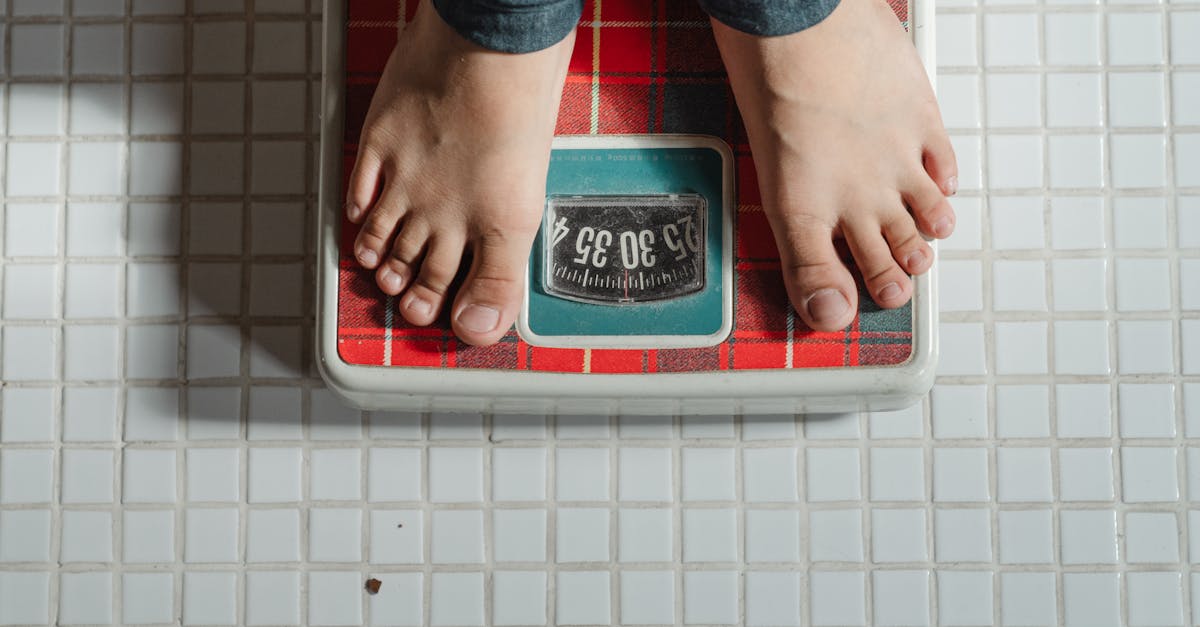
For example, for a person weighing 70 kilograms: 70 × 33 ≈ 2,310 ml, that is, about 2.3 liters of water is needed. This amount is a starting value; it is raised according to activity level, air temperature, and personal health condition. For a precise value based on your weight and lifestyle, you can use the water requirement calculation tool, or alternatively check out the daily water requirement calculation tool.
Situations That Increase Water Needs
There are a few situations that should be added on top of the standard calculation:
- Exercise: About 300-500 ml is added for every 30 minutes of intense activity to replace the fluid lost through sweat.
- Hot and humid weather: Since sweating increases, the water requirement rises.
- Pregnancy and breastfeeding: The fluid needs of an expectant mother and a nursing mother increase significantly.
- Fever and illness: The body needs more fluid to compensate for water loss.
In these situations, adding extra water on top of the calculated base amount is the way to maintain balance.
What Is Body Water Percentage?
Body water percentage shows what percentage of your total body weight is made up of water. In adult men this ratio averages 55-60%, while in women it is around 50-55% due to their relatively higher fat ratio. Since muscle tissue is rich in water and fat tissue is poor in water, the water ratio is higher in people with high muscle mass. You can use the body water percentage calculation tool to estimate this ratio. A low water ratio often points to insufficient hydration.
Do Fluids Other Than Water Count?
Your entire daily fluid intake does not have to come from plain water. Soup, milk, fruits, and vegetables also contribute to hydration with their water content; for example, watermelon and cucumber consist almost entirely of water. Tea and coffee also contribute to fluid balance, but too much caffeine can have a mild diuretic effect. Sugary drinks and carbonated beverages, on the other hand, bring a calorie load and should not replace water. The healthiest option is to meet most of your needs with plain water.
How Do You Know If You Are Drinking Enough Water?
The most practical indicator for understanding your hydration status is urine color. A light yellow, straw-colored urine usually points to adequate water intake, while a dark yellow color shows that you need to drink more water. Thirst is also a warning, but it often appears after the body has become slightly dehydrated; that is why drinking water at regular intervals without waiting to get thirsty is healthier. Keeping a bottle of water with you throughout the day is a simple and effective way to reach your goal.
Is It Possible to Drink Too Much Water?
Water is healthy, but as with everything, too much of it can upset the balance. Drinking an excessive amount of water in a very short time can disrupt the sodium balance in the blood, leading to a rare but serious condition called "water intoxication." This is not something encountered with normal daily consumption in healthy individuals; it is usually seen in endurance athletes or with excessive water consumption. The healthy approach is to spread water throughout the day and listen to the thirst-satiety signals the body gives. People with kidney or heart conditions should plan their fluid intake together with their doctors.
Water Needs in Children and the Elderly
Water needs also change with age. Children lose more water relative to their body weight than adults and are more sensitive to dehydration; therefore, they need to be reminded to drink water regularly, especially during play and activity. In the elderly, the sense of thirst decreases with age; an elderly person may not feel thirsty even though they truly need water. This situation can lead to unnoticed dehydration. In both children and the elderly, offering water at certain intervals throughout the day without waiting for thirst is the healthiest approach. In hot weather and during illness, extra attention is needed for these two groups, because their resistance to fluid loss is lower.
Electrolytes and Water Balance
Water balance is related not only to the amount of fluid you drink but also to the electrolytes in the body. Minerals such as sodium, potassium, and magnesium ensure that water is distributed correctly inside and outside the cells. With intense sweating, not only water but also these minerals are lost; that is why electrolyte intake also becomes important alongside plain water during prolonged heavy exercise. In daily life, a healthy person with a balanced diet meets their electrolyte needs from food and does not need additional supplements. However, for people who work for hours in very hot environments or who do endurance sports, drinking only water may not fully establish the balance. Considering water and electrolytes together is the foundation of true hydration.
Symptoms of Dehydration and Its Effect on Performance
Even mild dehydration creates noticeable effects on the body and mind. A drop of just one or two percent in body water ratio can cause fatigue, headache, distraction, and mood swings. Physical performance is also quickly affected by dehydration; even a small fluid loss in athletes reduces endurance and strength. The situation is similar in mental tasks: someone who does not drink enough water struggles more with concentration and memory tasks. The first signs of dehydration often go unnoticed; by the time dry mouth and mild fatigue begin, the body has already been in need of water for a while. Dark-colored urine is one of the most reliable warnings. Drinking water at regular intervals throughout the day prevents these symptoms from appearing in the first place. Especially on days of intense work or exercise, spreading water over time without waiting for thirst protects both performance and general well-being.
Practical Tips for Drinking Enough Water
- Always keep a water bottle with you; being visible reminds you to drink.
- Take small sips at regular intervals throughout the day without waiting to get thirsty.
- Drinking a glass of water before each meal helps with both hydration and portion control.
- Check your urine color; a light straw color points to adequate water intake.
- Don't forget to add extra water on top of your basic needs during exercise and hot weather.
Frequently Asked Questions
Is the 8 glasses of water a day rule correct? Although it is a practical reminder, it varies from person to person; weight, activity, and climate determine a more accurate target.
If I'm thirsty, am I already too late? The feeling of thirst starts after the body has slightly lost water; that is why drinking regularly without waiting to get thirsty is healthier.
What does urine color show? A light straw color points to adequate hydration, while dark yellow indicates that you need to drink more water.
How much do athletes' water needs increase? During intense training, depending on the fluid lost through sweat, about 300-500 ml is added on top of the basic need for every half hour of exercise.
Does drinking coffee dehydrate me? Moderate coffee consumption contributes to fluid balance; very high caffeine, however, can have a mild diuretic effect.
A water goal determined according to your weight and lifestyle turns the question "have I drunk enough" from a guess into a fact. Spreading water throughout the day, tracking urine color, and increasing the amount during exercise and hot weather is the most practical way to meet your body's basic needs smoothly. Keeping a water bottle with you and taking small sips at regular intervals is one of the easiest methods to reach your goal by the end of the day. Since the sense of thirst works differently in children and the elderly, they should be offered water regularly without waiting for thirst. Calculations are for general information purposes and do not replace a doctor's advice in special health conditions. You can benefit from our free calculation tools for all your health calculations.
Author
Zeynep Yılmaz · Health & Lifestyle EditorZeynep Yılmaz writes blog posts on health, fitness and daily life. She turns topics such as BMI, calories, pregnancy and nutrition into easy-to-understand guides, emphasizing that
All posts →