Pregnancy Week Calculation: How Many Weeks Pregnant Am I and Due Date
Zeynep Yılmaz · 2 Haziran 2026
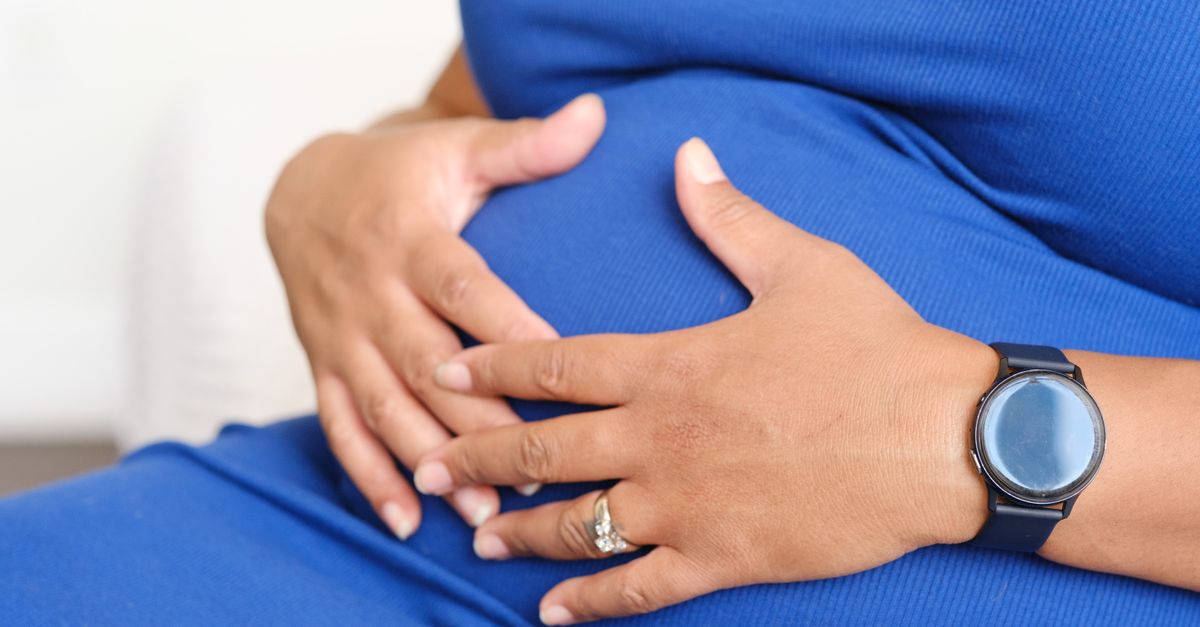
From the moment you receive the news of pregnancy, one of the first questions that comes to mind is: "How many weeks pregnant am I and when will my baby be born?" Pregnancy week calculation allows you to determine what stage your pregnancy is at and your estimated due date based on your last menstrual period. In this guide, we cover how the pregnancy calculation is done, the trimesters and important follow-up points. To find out your own pregnancy week right away, you can use our pregnancy calculation tools.
Why Is Pregnancy Calculated From the Last Menstrual Period?
Medically, pregnancy is counted not from the day of conception but from the first day of the last menstrual period (LMP). The reason is that it is difficult to determine the exact date of conception; whereas the last menstrual period is known by most women. Pregnancy calculated by this method lasts an average of 40 weeks (280 days). In other words, in the first two weeks of pregnancy conception has not yet occurred; this period is the reference point of the calculation.
How Is the Pregnancy Week Calculated?
The calculation logic is simple:
- Determine the first day of your last period.
- Find the number of days elapsed from this date until today.
- Divide the number of days elapsed by 7; the quotient gives the number of weeks and the remainder gives the number of days.
For example, if 159 days have passed since your last period, then 159 ÷ 7 = means you are 22 weeks and 5 days pregnant. Instead of doing this by hand, by entering your last menstrual period into the pregnancy week calculation tool you can instantly find out both your pregnancy week and your estimated due date.
Estimated Due Date (Naegele's Rule)
The estimated due date is found by adding 280 days to the last menstrual period. This calculation is called Naegele's rule. It can also be expressed with a practical formula: add 7 days to your last menstrual period, go back 3 months and add 1 year. If your menstrual cycle is longer or shorter than 28 days, this difference shifts the due date forward or backward. For a more precise result you can use the estimated due date calculation tool. Only a small portion of babies are born on the exact estimated date; births between weeks 37 and 42 are considered normal.
Trimesters: Three Periods
Pregnancy is divided into three main periods:
- 1st Trimester (weeks 1–13): The most sensitive period, when the baby's organs form. Nausea and fatigue are common.
- 2nd Trimester (weeks 14–26): Generally the most comfortable period. The baby's movements begin to be felt.
- 3rd Trimester (from week 27 to birth): The period when the baby grows rapidly and prepares for birth.
Knowing which trimester you are in helps you organize your expectations and your follow-up program.
Conception and Ovulation Day
For couples planning a pregnancy, knowing the ovulation day directly increases the chance of conceiving. Ovulation occurs in regular cycles about 14 days before the next period and marks the period when the chance of conceiving is highest. To find out your most fertile days you can use the ovulation calculation tool. This tool estimates the ovulation day and fertile period according to your menstrual cycle.
Healthy Weight Gain During Pregnancy
The weight that should be gained during pregnancy depends on your pre-pregnancy body mass index. For an expectant mother starting at a normal weight, the recommended total weight gain is generally between 11.5–16 kg. Excess or insufficient weight gain can affect both maternal and infant health. To see your personally recommended range you can use the pregnancy weight gain calculation tool.
Important Screening and Follow-Up Periods
There are screenings performed at certain weeks throughout pregnancy: the dual screening test and nuchal translucency measurement at weeks 11–14, a detailed ultrasound around week 20, and the glucose loading test at weeks 24–28. Knowing your pregnancy week correctly ensures that these tests are done on time. Throughout this whole process, no calculation can replace regular doctor check-ups; online tools are for informational purposes only.
The Difference Between Pregnancy Week and Month
Many expectant mothers confuse the question "how many months pregnant am I" with "how many weeks pregnant am I." Medical follow-up is done by week, because the week is a more precise measurement. Roughly every four weeks corresponds to one month, but this does not match up exactly; this is why a 9-month pregnancy is actually about 40 weeks. Your doctor will always give you information in terms of weeks. Knowing your pregnancy week correctly allows you to follow the baby's developmental stages and understand what to pay attention to in each period. For this reason, it is more accurate to think in terms of weeks rather than months.
Conception Date and Conceiving Calculation
In some cases, expectant mothers wonder about the estimated conception date. Conception usually occurs around the ovulation day, that is, about two weeks after the last period. The conception date can also be reached by counting back 266 days from the estimated due date. This calculation is meaningful especially for those who wonder about the beginning of pregnancy. However, since the conception date cannot be determined precisely, all medical follow-up is still carried out based on the last menstrual period. The ovulation and fertile period calculation is the most decisive stage of this process for couples planning a pregnancy.
Expected Weight Gain and Nutrition
Gaining weight in a balanced way throughout pregnancy directly affects both the mother and the baby. The recommended total weight gain varies depending on the pre-pregnancy body mass index: those starting underweight should gain more, those starting overweight should gain less. While weight gain in the first trimester is generally low, a steady increase is expected in the second and third trimesters. Paying attention to nutrients such as folic acid, iron and calcium directly affects the baby's healthy development. Knowing your personally recommended weight range and the expected weekly increase allows you to manage your pregnancy process more consciously.
On Early and Late Birth
The estimated due date is only a reference; the vast majority of births occur a few days before or after this date. Births before week 37 are called "early (preterm)", and those after week 42 are called "late birth." In twin or multiple pregnancies, birth usually occurs earlier. For this reason, instead of fixating on the estimated date, it is best to follow the follow-up program determined by your doctor. Every pregnancy is unique and online calculations are designed only to give a general idea.
The Baby's Development by Pregnancy Week
Each week corresponds to a separate milestone in the baby's development; that is why knowing your week also tells you what to pay attention to. In the first weeks, the heartbeat appears and the basic organ buds take shape; around week 12 the baby reaches the size of a plum. Between weeks 16–20, many expectant mothers begin to feel the first movements and the baby's organs are examined one by one with a detailed ultrasound. Week 24 is considered a threshold at which the baby's chance of surviving in the outside world increases significantly. In the third trimester, the lungs mature, the baby gains weight and turns into the birth position. Following your pregnancy week allows you to understand which test will be done when, whether your weight gain is within the expected range, and which symptoms are considered specific to that period. This information provides a general framework; since every pregnancy progresses uniquely, it is best to take your doctor's evaluation as the basis while following weekly development.
Multiple Pregnancy and IVF Calculation
In twin or multiple pregnancies, the process differs from a single pregnancy at several points. Since the babies share a more limited space in the womb, multiple pregnancies usually end before week 40, often around week 37; this is why the estimated due date is evaluated more flexibly. For those who conceive through in vitro fertilization (IVF), the calculation is more precise: since the day the embryo was transferred and how old the embryo is are known, the pregnancy week can be calculated directly without the need for the last menstrual period. In a three-day embryo transfer, the conception date corresponds to three days before the transfer, and in a five-day (blastocyst) transfer, to five days before. For this reason, for IVF patients the pregnancy week and estimated due date are found by adding fixed days to the transfer date, and generally also closely match the ultrasound. In expectant mothers who have irregular periods or who conceive with treatment, this method gives a more reliable result than the calculation based on the last menstrual period.
Frequently Asked Questions
Does the calculation give my actual pregnancy age? For those with regular periods it is largely accurate. For the exact pregnancy age, ultrasound measurements within the first 12 weeks are taken as the basis.
What should I do if my menstrual cycle is irregular? In irregular cycles, the calculation based on the last menstrual period may deviate; in this case ultrasound results are more reliable.
Does birth happen exactly on the calculated day? No; the majority of births occur a few days before or after the estimated date.
Knowing your pregnancy week, your trimester and your estimated due date is the easiest way to follow this special journey week by week; it allows you both to share your excitement and to carry out your health follow-up regularly. Instead of clinging to the estimated date as a strict rule, seeing it as a guide helps you go through the process more comfortably. For all your pregnancy and health calculations, you can check out our free calculation tools.
Author
Zeynep Yılmaz · Health & Lifestyle EditorZeynep Yılmaz writes blog posts on health, fitness and daily life. She turns topics such as BMI, calories, pregnancy and nutrition into easy-to-understand guides, emphasizing that
All posts →