Paint Calculation: How Many Liters of Paint Do You Need for a Wall?
Ahmet Şahin · 24 Mayıs 2026
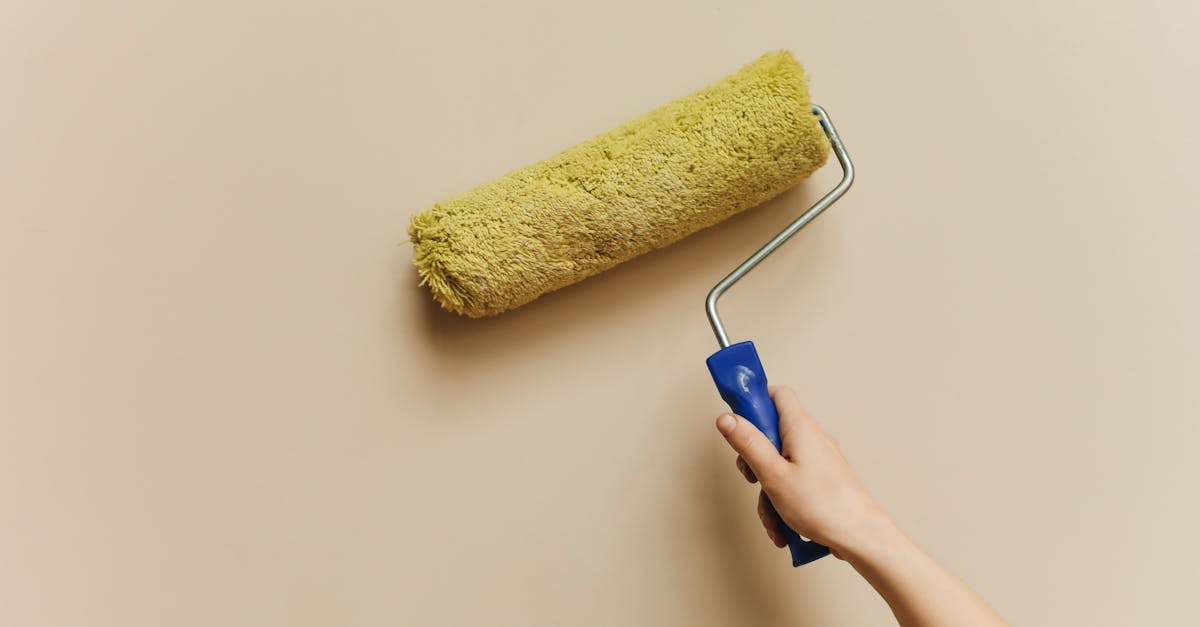
When you decide to paint a room, the first question that comes to mind is: "How many cans of paint should I buy?" Paint calculation lets you find the number of liters needed using the area of the surface to be painted and the paint's coverage. Too little paint leaves the job unfinished, while too much means unnecessary expense. In this guide, we cover wall area, paint coverage, and the number of coats with examples. To do the math easily, you can use our calculation tools.
Finding the Area to Be Painted
The first step of paint calculation is determining the total surface area to be painted. The area of a wall is its width multiplied by its height. If you are going to paint all the walls of a room, you calculate the area of each wall separately and add them up. If you are also going to paint the ceiling, the floor area (width × length) equals the ceiling area and is added as well. These calculations are based on the basic area formulas of geometry; for more complex surfaces, you can look at our area calculation tools.
Subtracting Doors and Windows
After finding the total wall area, you need to deduct the sections that will not be painted. A standard interior door is about 1.8-2 m², while a window is around 1.5-2.5 m². When you subtract these areas from the total surface, you arrive at the actual area to be painted. Although this difference seems small in tiny rooms, in large spaces with many windows the total door and window areas provide significant paint savings. Calculating the net area correctly prevents both buying too little and too much.
What Is Paint Coverage (Consumption)?
Every can of paint includes "coverage" or "consumption" information; this shows how many square meters of surface one liter of paint covers in a single coat. For typical interior plastic paints, coverage ranges from 10-14 m² per liter. Rough, absorbent surfaces (such as new plaster) draw more paint, so coverage drops. On smooth and primed surfaces, coverage increases. When doing your calculation, basing it on the actual coverage value on the can gives the most accurate result.
How Is the Amount of Paint Calculated?
The formula for the amount of paint needed is:
Paint (liters) = (net area × number of coats) ÷ coverage (m²/liter)
For example, if you are going to paint a net 40 m² wall with 2 coats and the paint coverage is 12 m²/liter: (40 × 2) ÷ 12 = 80 ÷ 12 ≈ 6.7 liters of paint are needed. Since paints are usually sold in 2.5, 7.5, and 15-liter cans, you round this result up to the nearest can size. You can do the math instantly by entering the area and coverage values into the paint calculation tool.
How Many Coats of Paint Are Needed?
In most painting jobs, two coats are standard; the first coat covers the base, and the second coat saturates the color and provides a smooth appearance. When applying a light color over a light color, a single coat may sometimes be enough. If you are applying a light color over a dark one or painting a newly plastered surface, a primer coat first followed by two coats of paint may be required. Since the number of coats directly affects the total amount of paint, it must be included in the calculation.
Why Is Primer Necessary?
Primer is an undercoat applied before paint that prepares the surface for painting. On absorbent surfaces, primer ensures the paint adheres properly and prevents excessive paint from being drawn in; this saves on the final coat of paint. On stained or colored surfaces, primer prevents the underlying color from bleeding through. Since paint coverage increases on a primed surface, the cost of primer often pays for itself through reduced paint consumption. Using primer on new plaster, drywall, and repaired areas noticeably improves the result.
Waste and Spare Allowance
It is wise to add a small spare allowance to the amount you have calculated. Buying about 10% extra for paint left on rollers and brushes, spills, and touch-ups that may be needed later is far more practical than running out of paint in the middle of the job. Also, since there can be very small tonal differences between paints of the same color from different cans, buying all the paint in one batch and mixing it in a bucket (boxing) ensures color consistency. Keeping a spare amount of paint comes in handy for touching up small scratches and stains that develop over time.
Paint Types and Their Uses
Different types of paint have been developed for each surface and space; the right choice determines the quality and durability of the result. Indoors, the most common type is water-based plastic paint; it has little odor, dries quickly, and offers wipeable surfaces. For damp areas such as kitchens and bathrooms, water- and mildew-resistant, washable paints are preferred. On ceilings, matte, non-reflective paints are generally used; this way surface flaws are less noticeable. For wood and metal surfaces, oil-based or specially primed paints are needed. When choosing the paint type, you need to evaluate the material of the surface, the humidity level of the space, and the desired sheen (matte, silk matte, gloss) together. Choosing the wrong type can cause the paint to blister or peel within a short time.
Ceiling and Exterior Facade Paint
Ceilings and exterior facades require different approaches from wall paint. The biggest challenge with ceiling paint is applying it so it spreads smoothly without dripping; this is why specially formulated paints are produced for ceilings. Exterior facades, on the other hand, are constantly exposed to sun, rain, and temperature changes, so they require much more durable and water-repellent paints. The coverage of exterior facade paint is usually lower than that of interior paint, because rough exterior surfaces draw more paint; therefore you need to use a lower coverage value in exterior calculations. Both on ceilings and exterior facades, measuring the area to be painted correctly and choosing the appropriate type directly affect both the cost and the lifespan of the job.
Surface Preparation Before Painting
The secret to a good paint job lies in the preparation done before you pick up the brush. The better the surface is prepared, the better the paint adheres and the more long-lasting the result. The first step is to scrape off the peeling or blistering parts of the old paint and clean dust and grease from the surface. Cracks and holes in the wall are filled with filler, then sanded smooth after drying. Applying primer to rough or absorbent surfaces both improves paint adhesion and prevents excessive paint from being drawn in. If mildew in damp areas is not cleaned with a suitable solution before painting, it will reappear from under the paint. Door and window edges and skirting boards are protected with masking tape; the floor is covered. Although these preparation steps seem time-consuming, when skipped they result in an uneven, quickly peeling finish that wastes far more time and paint. The time spent on preparation is directly reflected in the quality of the paint job.
Practical Tips for Painting
- Before painting, clean the surface, fill cracks with filler, and sand.
- Apply primer to absorbent and newly plastered surfaces to balance paint consumption.
- Base your work on the actual coverage value on the can; rough surfaces draw more paint.
- Buy all the paint in one batch and mix it in a bucket (boxing) to prevent tonal differences.
- Leave about 10% spare allowance; it comes in handy for touching up scratches and stains that develop later.
Frequently Asked Questions
How many liters of paint are needed for a 20 m² wall? With 2 coats and 12 m²/liter coverage: (20 × 2) ÷ 12 ≈ 3.3 liters.
Is primer essential? Primer provides a clear benefit on new plaster, repaired areas, and when applying a light color over a dark one; it can be skipped on smooth old surfaces.
Should I thin the paint? Only at the ratio recommended by the manufacturer; excessive thinning reduces coverage and requires extra coats.
Is exterior paint different from interior paint? Yes; exterior paints are produced to withstand sun, rain, and temperature changes, and their coverage is usually lower.
Where do I find the paint coverage? It is written on the paint can in square meters per liter; this value may change somewhat depending on surface roughness.
Is a single coat enough? It can be on smooth surfaces where a light color is applied over a light color; in most cases two coats are recommended for a smooth result.
Once you correctly determine the area to be painted, deduct doors and windows, and factor in the number of coats and the paint coverage, you can determine the amount of paint to buy without fail. Preparing the surface well before painting, choosing the right type, and using primer both improve the quality of the job and balance paint consumption. Leaving a small spare allowance preserves color consistency for touch-ups that may be needed later. Calculating without forgetting that coverage values differ for interiors, ceilings, and exteriors ensures you buy neither too little nor too much paint. For your paint, area, and other construction calculations, you can take advantage of our free calculation tools.
Author
Ahmet Şahin · Engineering & Science EditorAhmet Şahin writes blog posts on engineering and natural sciences. He prepares guides that explain physics, chemistry, electrical and construction topics with examples.
All posts →Related posts
Rebar Weight Calculation: Diameter, Length and Tonnage
5 Haziran 2026
Electrical Power Calculation: A Guide to Ohm's Law and Three-Phase Power
1 Haziran 2026