Concrete Calculation: Cubic Meters, Cement and Material Quantity
Ahmet Şahin · 26 Mayıs 2026
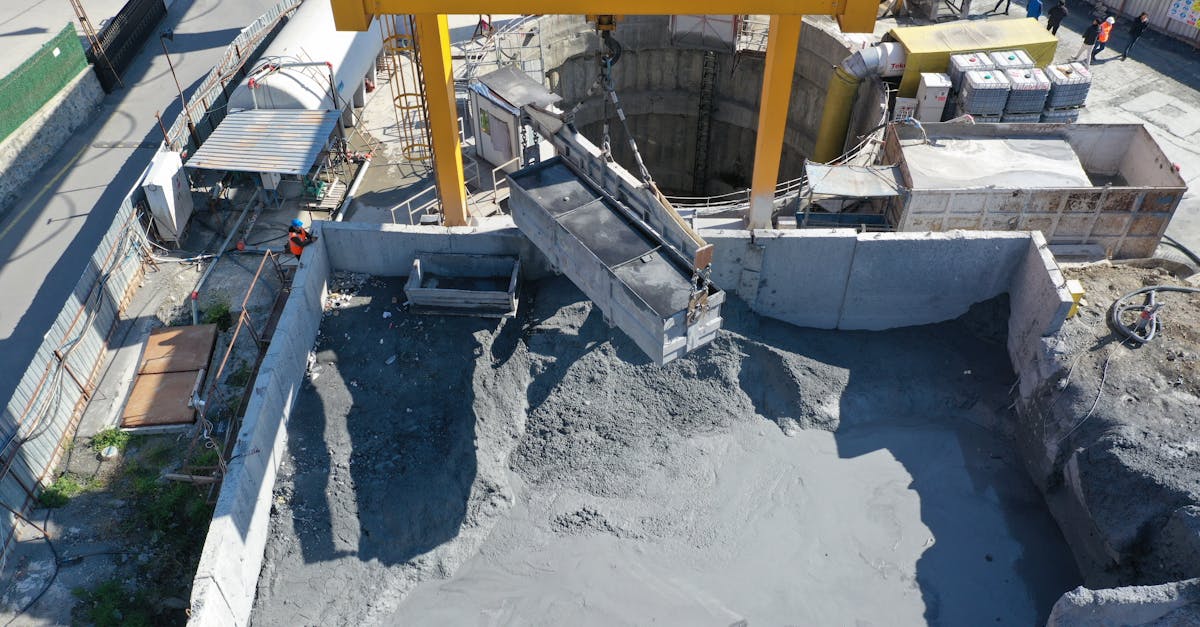
When pouring a foundation, laying a slab or building a garden wall, knowing the right amount of concrete determines both your budget and the flow of the work. Concrete calculation lets you find the volume of the element you will pour and thus compute the cubic meters of concrete required and the amount of materials within it. In this guide we cover how concrete volume is found, the cement-sand-gravel ratios and order planning with examples. You can use our engineering calculation tools to do the math easily.
What Is Concrete and What Is It Made Of?
Concrete is a building material obtained by mixing cement, aggregate (sand and gravel) and water in specific proportions; it hardens over time to become as durable as stone. Cement acts as a binder; reacting with water, it locks the sand and gravel together. The ratios in the mix directly determine the strength of the concrete. That is why a correct calculation covers not only a sufficient quantity but also the right mix. In reinforced concrete structures, the concrete carries the compressive forces while the steel reinforcement inside it carries the tensile forces.
How Is Concrete Volume Calculated?
The volume of the concrete you will pour depends on the geometry of the element. For a flat slab or foundation the formula is simple:
Volume (m³) = width (m) × length (m) × thickness (m)
For example, for a slab 5 meters wide, 4 meters long and 15 centimeters (0.15 m) thick: 5 × 4 × 0.15 = 3 m³ of concrete is required. For elements such as columns and beams, the volume of each piece is calculated separately and then summed. To find the volume quickly, you only need to enter the dimensions into the concrete calculation tool.
How Much Material Is in 1 Cubic Meter of Concrete?
In a standard concrete mix, approximately the following materials are used per cubic meter:
- Cement: 300-350 kg (about 6-7 bags)
- Sand: 0.5 m³
- Gravel (aggregate): 0.8 m³
- Water: 150-180 liters
These ratios vary according to the target strength class of the concrete; for higher strength the cement ratio is increased. If you are going to prepare the mortar yourself, you can multiply these values by the total volume to produce a material list.
Why Is the Water-Cement Ratio Decisive?
One of the most decisive variables affecting the strength of concrete is the water-cement ratio. Too much water makes the concrete easier to place but seriously reduces its strength after hardening and leads to cracking. Too little water makes workability difficult. The ideal balance is to use enough water to pour the concrete easily, but little enough to preserve its strength. In professional applications this ratio is carefully controlled; even in small home jobs, adding water by measure rather than by eye markedly improves the result.
Ready-Mix Concrete or On-Site Mixing?
For small jobs (up to a few cubic meters), preparing the concrete on site by hand or with a small mixer can be economical. However, for large volumes ready-mix concrete (transit mixer) both saves time and ensures consistent mix quality. Since ready-mix concrete is ordered by the cubic meter, ordering with a small waste margin (5-10%) added to your calculated total volume prevents running out of material in the middle of the pour. Since concrete pouring is a job that must be done without interruption, calculating the amount correctly from the start provides a valuable advantage.
Steel and Concrete Together
In a reinforced concrete element, concrete alone is not enough; the steel reinforcement (rebar) placed inside provides the tensile strength of the structure. In a project, extracting the rebar quantity along with the concrete volume lets you foresee most of the reinforced concrete cost in advance. In residential structures, an average use of 80-120 kg of rebar per cubic meter of concrete is common. To calculate the amount of rebar, you can use the construction rebar weight calculation tool. Planning concrete and rebar together prevents short or excess orders.
Practical Tips for Pouring Concrete
Calculating the right amount is half the job; the pour itself also requires attention. After the concrete is poured, removing the air pockets inside it by compacting with a vibrator or by hand increases the strength. During the hardening process (curing), keeping the concrete moist, especially in the first few days, prevents cracking and increases strength. Since concrete dries quickly in hot weather, keeping the surface wet becomes even more important. These simple precautions ensure that a correctly calculated concrete reaches its expected strength.
Concrete Strength Classes (C20, C25, C30)
Concrete is divided into classes according to its strength, and these classes are indicated with the letter C; for example, C25 means the 28-day compressive strength of the concrete is approximately 25 megapascals. As the class increases (from C20 to C30), the load the concrete can bear increases, but so do the required amount of cement and the cost. Which class to use is determined by the type of structure and the load it will bear; this is decided by the civil engineer preparing the project. While a low class is sufficient for a garden slab, higher-strength concrete is needed for a load-bearing column. When ordering ready-mix concrete, specifying the class correctly is necessary for both safety and avoiding unnecessary cost. Choosing the wrong class either risks the safety of the structure or needlessly inflates the budget.
Weather Conditions and Concrete Pouring
The success of concrete pouring also depends on weather conditions. In very hot weather, concrete may dry quickly and crack before gaining sufficient strength; that is why in summer months the pour is done in the early hours of the morning and the surface is kept moist. In very cold weather, the risk of freezing in the water prevents the concrete from setting; in this case additives are used or the pour is postponed. The ideal pouring temperature is generally between 5 and 30 degrees. In rainy weather, rain falling on fresh concrete can disrupt the surface water-cement ratio and reduce strength. For this reason, the weather is also taken into account when planning the pour. For a correctly calculated concrete to show the expected performance, the pour must be done under suitable conditions.
Concrete Curing: The Secret of Strength
Pouring the concrete is not the end of the job but the beginning; the real strength is gained during the curing process that takes place in the following days. Curing means keeping the concrete's moisture so that the cement completes its reaction with water. If this process does not last long enough, even if the concrete appears to harden, it cannot reach the targeted strength and cracks form on the surface. Most of the concrete's strength develops in the first seven days, and it reaches full strength in about 28 days. During this period, keeping the surface moist, especially in the first few days, directly affects the result. Covering the surface with a wet cloth, regularly spraying water or using special curing materials are common methods. In hot and windy weather, since water evaporates faster, curing requires more attention. Even a correctly calculated and correctly mixed concrete cannot show the expected performance when curing is neglected. That is why, in concrete work, post-pour care determines the result as much as the material calculation.
Practical Tips in Concrete Work
- Add a 5-10% waste margin to the total volume to prevent material running out in the middle of the pour.
- Maintain the water-cement balance; although excess water increases workability, it reduces strength.
- Plan the pour for the early hours of the morning in hot weather and keep the surface moist.
- Do not neglect curing in the first few days; most of the strength is gained during this process.
- Calculate rebar of different diameters separately and extract the total tonnage.
Frequently Asked Questions
How many m³ of concrete is needed for a 20 m² slab 15 cm thick? 20 × 0.15 = 3 m³ of concrete is needed.
In how many days does concrete reach full strength? Most of the strength develops in the first seven days, and full strength is completed in about 28 days.
Is adding too much water to concrete harmful? Yes; although excess water increases workability, it reduces strength once hardened and leads to cracking.
Is ready-mix concrete or hand mixing better? For small jobs up to a few cubic meters, hand mixing can be economical; for large volumes ready-mix concrete both saves time and keeps the mix quality consistent.
How many bags of cement does 1 m³ of concrete make? Although it varies by mix, approximately 6-7 bags (300-350 kg) of cement are used.
How much waste should I add to the order? Generally a margin of 5-10% prevents the material from being insufficient during the pour.
When you find the volume of the element you will pour and apply the material ratios, you base your concrete order on calculation rather than estimation; this lets you both control the cost and prevent running out of material in the middle of the pour. Choosing the right strength class, getting the water-cement balance right and not neglecting curing after the pour ensure that a correctly calculated concrete reaches its true strength. Planning the pour at a suitable time by also taking the weather into account prevents problems such as cracking and strength loss. Adding a small waste margin to the total volume and calculating rebar of different diameters separately is the way to avoid surprises on site. You can benefit from our instant calculation tools for your concrete, rebar and other building calculations.
Author
Ahmet Şahin · Engineering & Science EditorAhmet Şahin writes blog posts on engineering and natural sciences. He prepares guides that explain physics, chemistry, electrical and construction topics with examples.
All posts →Related posts

Rebar Weight Calculation: Diameter, Length and Tonnage
5 Haziran 2026
Electrical Power Calculation: A Guide to Ohm's Law and Three-Phase Power
1 Haziran 2026